




Natural light’s benefits are manifold – from improved mental health to better energy efficiency, harnessing the sun’s rays and putting them to good use can help both you and your home. Far too few people understand the real benefits of natural light, and we’re here to explain them in detail.
Are you ready to learn more about how natural light can benefit you and your home alike? Then throw open the curtains and let’s get started.
Physical and mental benefits
Let’s explore the physical and mental benefits of natural light.
Boosts vitamin D
One of natural light’s benefits is the ability to increase your levels of vitamin D, vital to a healthy body and healthy mind. Vitamin D is produced by your body when you are exposed to sunlight. This is why it’s important to spend time outdoors during daylight hours, but do be sure to wear sunblock if it’s a sunny day, as this will protect your skin and reduce the risk of skin cancer.
Improved productivity and focus
Natural light has a huge role to play in keeping you productive during the working day. This is one of the biggest benefits of natural light in buildings, whether we’re discussing your home or an office. Natural light helps to maintain something called your circadian rhythm, essentially your body’s internal clock, helping you have the energy that you need when you need it. Natural daylight’s energy-boosting powers are not inhibited by windows, allowing you to make the most of its productivity-improving powers even during cold winter days.
Learn more about the importance of natural light in the workplace.
Improved circadian rhythms
We talked about natural light’s beneficial effect on your circadian rhythm in the last point, but it helps you with far more than just productivity. Another of natural light’s benefits is its ability to help you sleep better. This may seem puzzling, as few of us find it easy to sleep while it’s light outside. However, seeing and feeling the sunlight allows our body to know it’s daytime, and accordingly winds down your energy when it’s dark. This means that natural light, whether you receive it by going outside or through a roof window, can help you sleep better too!
Improved psychological wellbeing
Seasonal Affective Disorder is a common issue that tends to affect people during the dark winter days, where sunlight is at a minimum. It’s all too easy to spend the few daylight hours we have indoors, away from natural light. Windows can help SAD, as noted by the NHS, but it’s not only people who suffer from SAD whose mental health can be improved through natural light.
Natural light has been shown to have a large and beneficial effect on mental health. Low levels of natural light have been associated with low mood and poor sleep quality, which in itself can have a knock-on effect on your psychological health.
Limits health risks related to fluorescent lighting
Fluorescent lighting is a very common feature of offices, homes, schools and many other buildings. While the lights are undoubtedly useful and produce bright light, they are not without their health risks. Fluorescent lights contain mercury, which is a highly toxic element, and they also emit ultraviolet light – too much exposure to UV light is thought to cause skin problems and can also cause issues for your eyes.
Benefits for homes
So far, we have explored natural light’s benefits for you, but it can also help your home. In this section of the guide, we will explore the benefits of natural light in your home.
Improved energy efficiency
The more natural light you have in your home, the less you will need to rely on artificial lighting. This, by itself, can reduce your energy bills, but another great benefit of natural light is a potential reduction in heating costs. Natural light can warm rooms considerably, even during winter on sunny days, which means that you won’t need to use central heating as much, reducing the strain on your wallet.
A brighter space
Brighter spaces are not only good for your health, but they will also be great for close work such as crafting or reading. A brighter space means reduced eye strain and makes it easier to spend time doing what you love.
Mould prevention
We’ve all had the experience of having to fight mould tooth and nail, whether in your home or an outbuilding. Mould cannot cope with ultraviolet light, which kills most mould spores, and even sunlight that enters your home through windows can prevent mould growth. As mould can have severe effects on your respiratory health, preventing it from growing should always be your priority, and increasing the amount of natural light in your home is one of the best ways to do that.
On the topic of mould, learn why roof ventilation is important and how to stop condensation on roof lanterns.
Attractive designs
Natural light can be harnessed in any number of ways, but many of these ways can also improve the way your home looks. For example, you could choose to increase the level of natural light in your home by adding circular rooflights, giving your home a crisp and modern appearance, or you could opt for a roof lantern to allow the maximum possible amount of sunlight into your home.
Better views
Adding windows doesn’t only increase the level of natural light in your home, it can also provide you with stunning views. Well-placed windows can give you views of your surroundings, trees and other plants, and, of course, the sky and its ever-changing seasonal panorama. Better views will help you feel more connected with the great outdoors while at home.
The illusion of more space
Have you ever noticed that darker homes tend to feel more cramped? It’s not a coincidence – increased natural light can make a home feel a lot airier and more spacious. Natural light reduces the amount of shadows in a room, reducing the size of dark corners, while sunlight bouncing around the room can make a room seem deeper. Not only this, but windows draw your eye, extending your sightline out of your room and into the surrounding landscape.
How skylights increase natural light
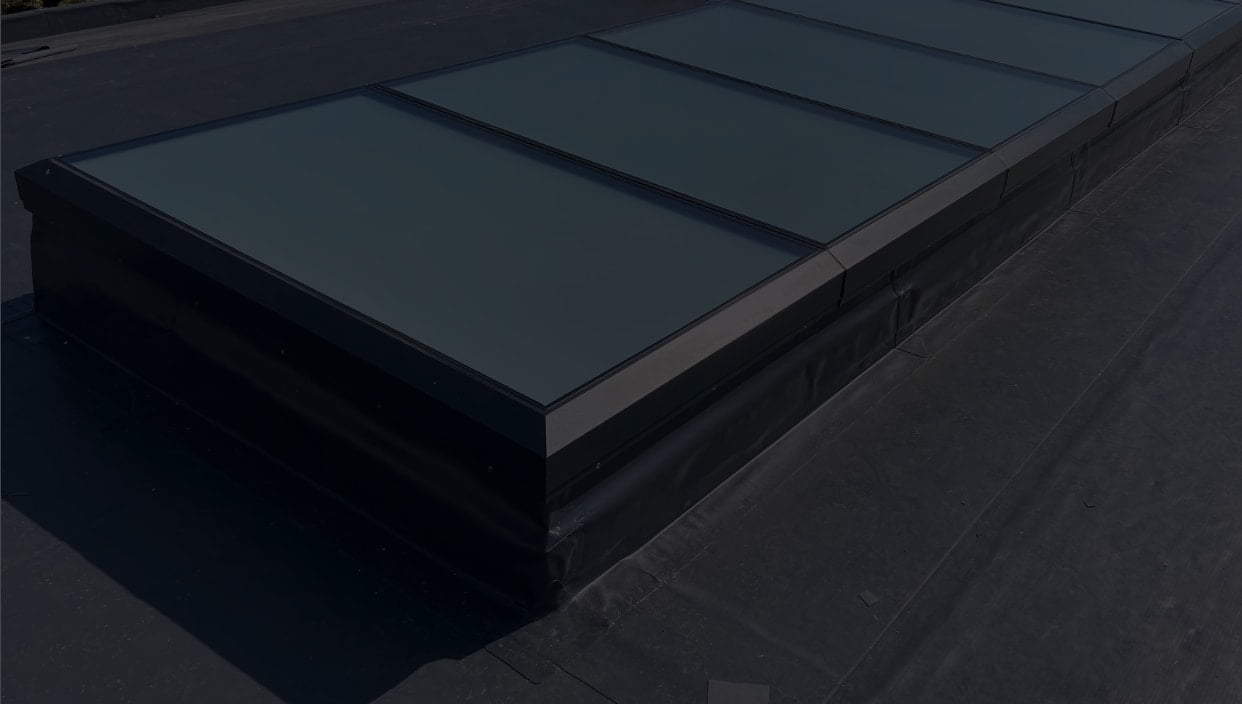
One of the greatest ways to make a big improvement to the level of natural light in your home is to add a skylight or rooflight to your home. These features are not bound to a specific geographical direction like traditional windows, meaning that you can reap natural light’s benefits throughout the day, rather than only at specific times.
Get your skylight today
At Toughened Glass Systems, we offer a wide range of different skylights and rooflights, from roof windows to ventilated rooflights, that will improve airflow as well as natural light. If you are interested in adding a skylight to your home or business, we would be happy to help you find the best option for your building so you can enjoy all of the benefits of natural light. If you have any questions or would appreciate guidance on buying your new roof window, please contact us today, and our experienced team will be happy to help you.
Shop our rooflights:
We stock an impressive range of rooflights and skylights, including:
Get yours today, or contact us if you have any questions.
More helpful articles
- How Many Windows Do I Need for My Room?
- How to Increase Natural Light in a Room
- Benefits of Natural Light in the Workplace
- Can a Rooflight Add Value to Your Home?
- How to Improve Ventilation in a Room
- Top Benefits of Skylights
FAQs
What does natural light do to your brain?
Natural light can have many positive effects on the brain. It can help regulate your body clock, enhance your mood, make vitamin D, and keep you alert throughout the day, as well as helping you manage SAD.
Is natural sunlight good for you?
Natural sunlight is very good for you – it allows your body to make vitamin D, helps you sleep better, and more. However, too much sunlight can also increase your risk of skin cancer due to the presence of ultraviolet rays, so be sure to wear sunblock outdoors on sunny days.
What are the advantages of natural light over artificial light?
Natural light offers a range of different benefits that artificial light does not. For example, artificial light cannot typically be used by your body to make vitamin D, nor does it offer a full-colour spectrum as natural light does. It also tends to be gentler on your eyes than artificial light, which can be very harsh.
What are some easy ways to increase natural light in my home?
Some easy ways to increase the levels of natural light in your home include removing furniture from in front of windows, reducing the general level of clutter in your home, and trimming any plants that could be inhibiting the flow of natural light. For more options, please read our article on how to increase the level of natural light in your home.



